Weight Problems induced by Alcohol and Drug use
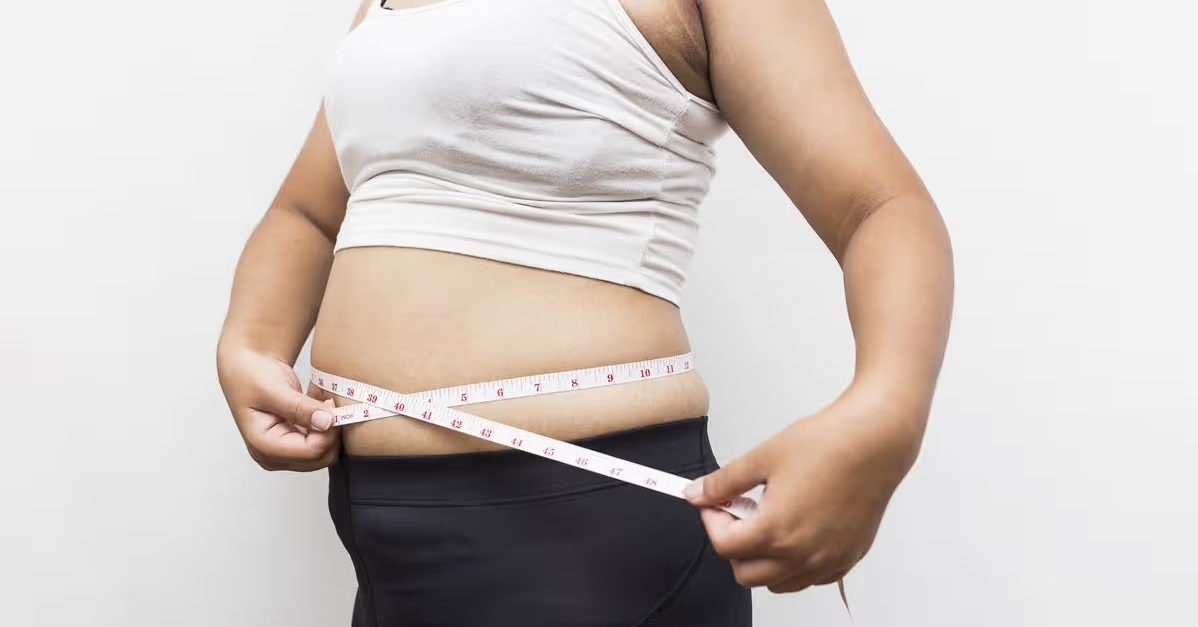
Alcohol and drug use contribute to weight gain by adding high-calorie liquid intake, slowing down metabolism, stimulating appetite, and causing poor food choices. Alcohol contains 7 kcal/g of energy, often leading to overconsumption of calories while simultaneously reducing the body’s ability to burn fat. Substance use can also lead to hormonal imbalances, such as increased cortisol and decreased leptin, encouraging body fat storage.
According to the University of Florida Health, here is a breakdown of how these substances cause weight gain:
How Alcohol Causes Weight Gain
- High-Calorie Content: Alcoholic drinks are “empty calories,” often containing as many calories as a meal without providing nutrients
- Reduced Fat Burning: Alcohol is treated as fuel to be burned first, stopping your body from burning stored fat and other nutrients.
- Increased Appetite and Poor Choices: Alcohol lowers inhibitions and impacts brain reward systems, often leading to excessive intake of high-fat, salty, or sugary foods.
- Hormonal Disruption: Alcohol can disrupt hormones such as leptin (which tells you when you’re full) and increase cortisol (a stress hormone linked to fat storage)
How Drugs Cause Weight Gain
- Metabolic Changes: Drug use can alter metabolism, affecting how the body breaks down food and energy.
- Recovery and Lifestyle Factors: During recovery, individuals may gain weight as they regain appetite, replace addiction with emotional eating, or experience side effects from medications
- Increased Hunger: Some substances can lead to significantly increased appetite, or individuals may overeat to trigger the reward centers in the brain that were previously stimulated by drugs.
Treatment with GLP-1 receptor agonists
According to the Brown University School of Public Health, GLP-1 receptor agonists (like brand names – Ozempic, Mounjaro, Zepbound, Rybelsus, and Wegovy) assist addicts with weight loss by regulating appetite and reducing cravings for both food and addictive substances, such as alcohol and nicotine. By acting on the brain’s dopamine reward system, they dampen the pleasure derived from substances, encouraging decreased consumption and improved weight management.
How GLP-1s Work in Addiction and Weight Loss:
- Reduced Cravings: GLP-1s target the reward pathways in the brain—specifically the ventral tegmental area and nucleus accumbens—which are crucial in addiction, helping to lower the motivation to consume addictive substances like alcohol and opioids.
- Reduced Alcohol/Substance Use: Studies have shown that these medications can reduce the drive to drink alcohol, reduce the frequency of binge drinking, and potentially lower the risk of relapse in people with alcohol or opioid addictions.
- Satiety and Physical Changes: Beyond the brain, GLP-1s slow down stomach emptying and increase feelings of fullness (satiety), which naturally leads to lower food intake and weight loss.
- Management of Compulsive Behaviors: Early research suggests GLP-1s may also help reduce other compulsive, reward-seeking behaviors, such as smoking, gambling, and shopping.
While promising, GLP-1 medications are not currently FDA-approved to treat addiction (substance use disorders) but are widely approved for diabetes and obesity management.