Rash Treatment in Addiction Dermatology
Cutaneous indicators are often the first clinical signs of substance misuse, and early detection by clinicians can significantly improve therapeutic outcomes.
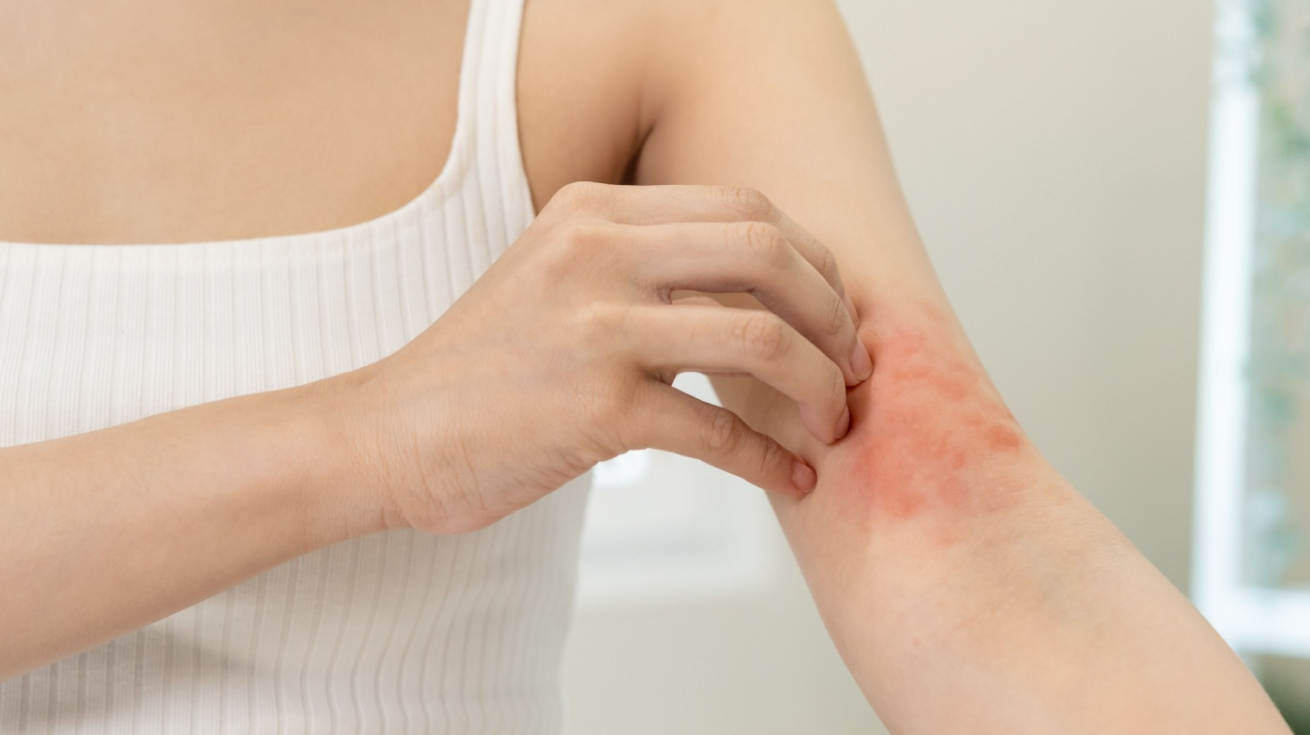
Drug and alcohol abuse can cause various skin rashes and conditions, ranging from allergic hives and intense itching (pruritus) to chronic conditions like psoriasis, rosacea, and severe infections. These reactions often stem from toxins, liver damage, nutritional deficiencies, or allergic responses to the substances or impurities in illicit drugs.
Dermatologic issues in this population stem from lifestyle factors, poor hygiene, and malnutrition, as well as the toxic byproducts of the substances themselves. While symptoms like skin granulomas, abscesses, and rapid aging are common, specific substances present distinct markers:
– Alcohol: Jaundice, spider veins, and psoriasis.
– Cocaine: Vasculitis, “crack hands,” and chronic urticaria.
– Heroin: Necrotizing fasciitis, tracking, and morbilliform rashes.
– Methamphetamine: Grayish skin, “meth sores” from formication syndrome, and severe acne.
– Prescription Stimulants: Hives, angioedema, and potentially fatal reactions like Stevens-Johnson syndrome.
Primary Addiction Medicine Care of Connecticut will help with acute care of rashes that may be irritating and annoying, as we believe in bringing comfort to the patient and lessen any chance of relapsing due to the patient feeling unhealthy.
Most skin conditions are reversible when the underlying etiology is treated (in most cases cessation of the offending agent of alcohol or drugs). However, when there is acute inflammation or infection, this will be addressed by our medical staff.
When necessary, appropriate Dermatology specialty referral will be arranged for chronic skin conditions that require specialty monitoring.
Common Alcohol-Induced Rashes & Skin Conditions
- Alcohol Flush Reaction: Redness, warmth, and itching of the face, neck, and chest due to an inability to break down alcohol efficiently.
- Hives (Urticaria): Raised, itchy red bumps or welts.
- Rosacea: Chronic facial redness, broken blood vessels, and acne-like spots.
- Psoriasis/Seborrheic Dermatitis: Dry, itchy, scaly, and inflamed patches.
- Spider Angiomas/Liver Spots: Small, red, spider-like veins often associated with
- Jaundice: Yellowish skin discoloration due to liver distress.
Cocaine Rashes
Cocaine use can result in a variety of skin diseases, depending on the route of administration. If person smokes crack cocaine, they usually will experience the loss of eyelashes and eyebrows similar to madarosis. The veterinary antiparasitic drug levamisole, for example, has been found in about 70% of the illicit cocaine seized in the United States.1,2 Common skin conditions are:
- Churg-Strauss syndrome and a perinuclear antineutrophil cytoplasmic antibody (P-ANCA)–positive Wegener granulomatosis-like syndrome
- “Crack hands” (fingers and palms blackened from exposure to extreme heat)
- Hemorrhagic blisters
- Hyperkeratosis of hands
- Raynaud phenomenon
- Scleroderma
- Urticaria
- Vasculitis and retiform purpura
Cocaine is a stimulant and can also reduce appetite, thus affecting nutrition. Depending on its source, cocaine can be mixed with other substances unbeknown to the user and therefore lead to skin conditions associated with other substances.
Heroin Rashes
Heroin, an opiate, can cause several skin issues depending on how it’s used. Users often develop morbilliform rashes, persistent itching, and are at higher risk for severe bacterial infections like necrotizing fasciitis. Injection drug use increases chances of livedo reticularis (reddish-purple skin discoloration), skin darkening, abscesses, and tissue necrosis.
Methamphetamine
Methamphetamine use can lead to pale, rough skin and increased sweating. Smoking it often causes wrinkles, making its effects more visible. Even small amounts may trigger acne and weaken immunity. Stimulant use can cause formication syndrome and delusions of parasitosis, leading users to believe insects are under their skin and resulting in compulsive skin picking and rapid-spreading wounds known as “meth sores” or “meth mites.”
Prescription Stimulants (Adderall, Ritalin, Concerta, Dexedrine)
Amphetamines, methylphenidates, and dextroamphetamines are common prescription stimulants. These drugs, like methamphetamine, can cause skin issues, especially in users who inject, smoke, or snort them. Not all users experience skin problems; genetics play a significant role.
Common skin conditions are:
- Rash
- Hives
- Angioedema
- Stevens-Johnson syndrome
- Toxic epidermal necrolysis
Treatment
Most skin rashes are treated based on their underlying cause, with steroid creams being the most common choice for inflammatory conditions and antibiotic creams reserved for bacterial infections. In certain cases, oral steroid or antibiotic formulations are prescribed.
Steroid Creams (Topical Corticosteroids)
Steroid creams are the primary treatment for rashes caused by inflammation or an overactive immune response. They work by reducing swelling, redness, and itching.
- Commonly Treated Rashes: Atopic dermatitis (eczema), psoriasis, contact dermatitis (like poison ivy), and allergic reactions.
- Available Strengths: These range from mild over-the-counter options like hydrocortisone to high-potency prescriptions like clobetasol or betamethasone.
- Usage Caution: Long-term use can lead to skin thinning, discoloration, or topical steroid withdrawal.
Antibiotic Creams (Topical Antibacterials)
Antibiotic creams are used specifically for rashes caused by bacteria or to prevent secondary infections in broken skin.
- Commonly Treated Rashes: Impetigo, folliculitis (infected hair follicles), and infected eczema flare-ups.
- Common Examples: Bacitracin, neomycin, and mupirocin.
- Important Note: They are ineffective against viral rashes (like shingles) or fungal rashes (like ringworm), which require antifungal treatments.