Medication-Assisted Treatment at PAMCC
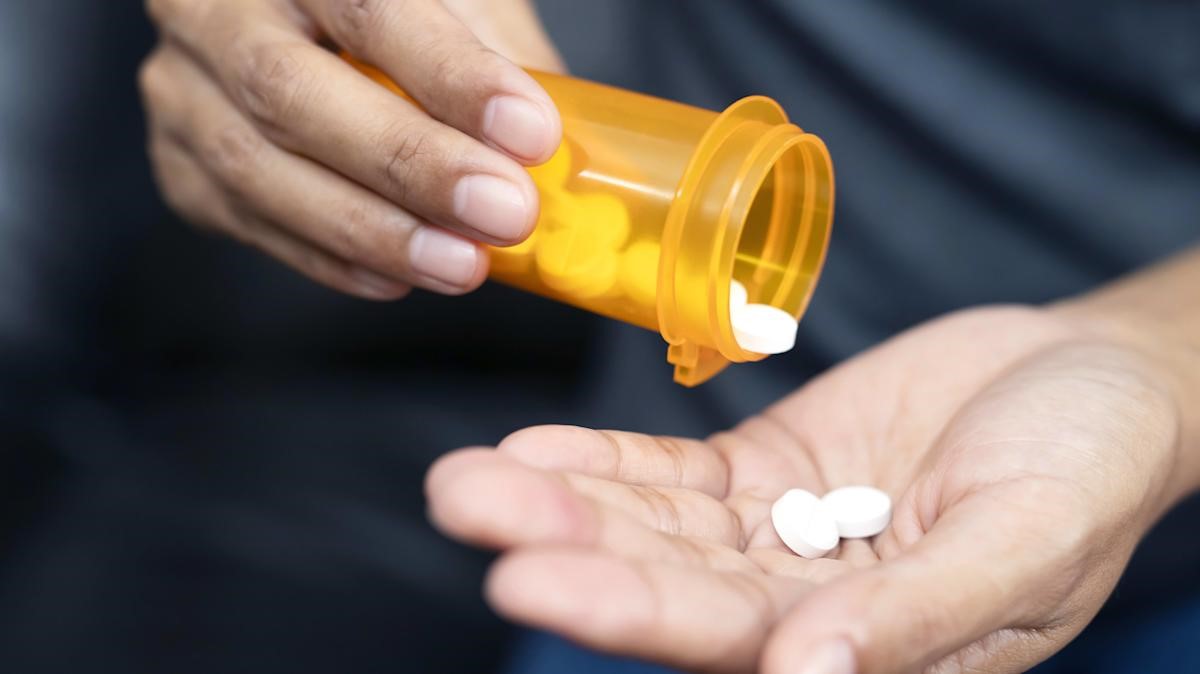
Primary Addiction Medicine Care of Connecticut recommends and prescribes Buprenorphine – Naloxone (Suboxone, Zubsolv) as our main choice for Medication-Assisted Therapy.
Based on our experience and medical literature, Suboxone is the safest and most effective treatment for opioid dependence and/or use disorder. We do not prescribe or manage Methadone.
The National Institute of Health reports that Suboxone (buprenorphine/naloxone) is a safer medication-assisted treatment than alternatives due to its lower risk of fatal overdose. It matches methadone’s effectiveness for reducing cravings and relapses, but with less risk of respiratory depression and mortality, especially for long-term recovery.
Key Findings on Safety and Effectiveness:
- Lower Overdose Risk: Suboxone acts as a partial agonist, creating a “ceiling effect” for respiratory depression, which makes it less likely to cause fatal overdoses compared to full agonists like methadone.
- Reduced Mortality Rates: Studies, including those analyzing insurance claims, show that buprenorphine (active ingredient in Suboxone) and methadone significantly reduce the risk of death compared to no treatment, with buprenorphine sometimes showing better safety outcomes in studies.
- Safety in Pregnancy: The MOTHER trial (2010) found that buprenorphine was safer for the neonate compared to methadone, resulting in shorter hospital stays and milder neonatal abstinence syndrome, though methadone showed higher treatment retention rates.
- Lower Abuse Potential: Suboxone includes naloxone, which is designed to prevent injection abuse, further improving its safety profile in supervised care settings.
- Increased Treatment Success: Research indicates that maintaining Suboxone treatment for 12 months or longer is associated with better outcomes, lower relapse rates, and reduced risk of contracting infectious diseases like HIV and hepatitis C, often outperforming other treatments in retention studies.
Participation in our program necessitates a confidential controlled substance contract, which the patient must review and sign. This process serves to uphold safety standards and regulatory compliance with the DEA (Drug Enforcement Agency), given that Buprenorphine – Naloxone is classified as a Schedule III controlled substance.
Additionally, patients will be required to undergo scheduled urine drug screenings to promote accountability and ensure ongoing safety. All new patients must complete an initial blood screening that provides a comprehensive evaluation of the liver, kidneys, thyroid, endocrine systems, STD (HIV, Hep C) screening, and cardiac health assessment.
Furthermore, a physical examination and EKG will also be scheduled to thoroughly assess heart health and readiness for treatment.